A Closer Look at Nepalese Spices: Timur, Jimbu and More
Discover the distinctive Nepalese spices used to create the flavours at Dé Buddha in Johnstone, from the citrusy tingle of Timur to the fragrance of Jimbu.
Nepalese Spices: Timur, Jimbu and More
What gives Nepalese food its distinctive character? At Dé Buddha, it starts with fresh ingredients, traditional cooking methods and carefully balanced spices. From the tingling Timur to fragrant Jimbu, these ingredients help create the depth and aroma found in Nepalese cuisine.
For diners visiting Dé Buddha in Johnstone, understanding some of these traditional ingredients offers a closer look at the flavours behind the dishes.
Timur: The Distinctive Himalayan Pepper 🌶️
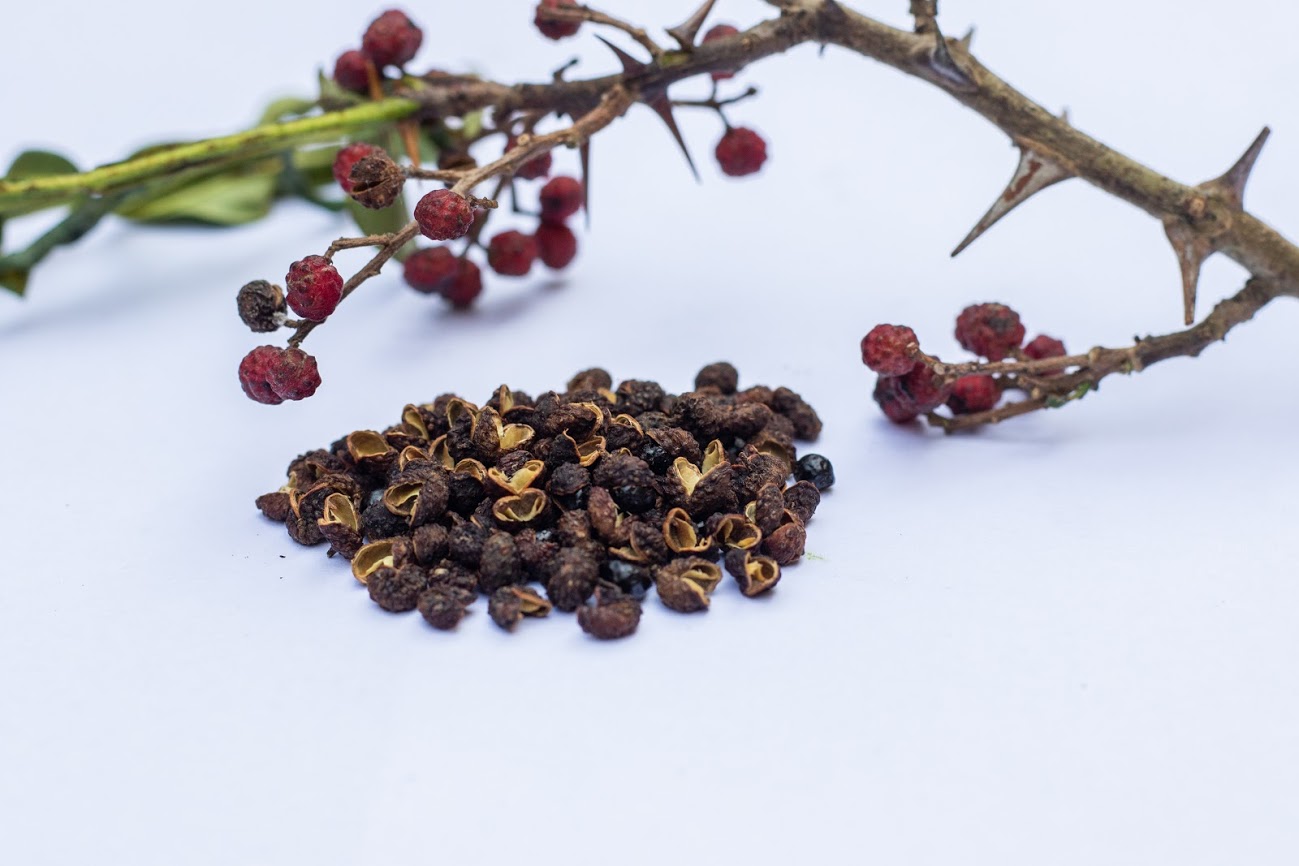
Timur, also known as Timmur, is one of the most distinctive spices used in Nepalese cooking. Often compared with Sichuan pepper, it has a citrusy aroma and a unique tingling sensation.
At Dé Buddha, Timur represents the lively and aromatic side of Nepalese cuisine. It can be used in achar, chutneys, sauces, vegetables and meat dishes, where a small amount adds fragrance and depth.
For anyone discovering Nepalese food, Timur is an ingredient worth experiencing.
Jimbu: The Fragrant Himalayan Herb 🌿
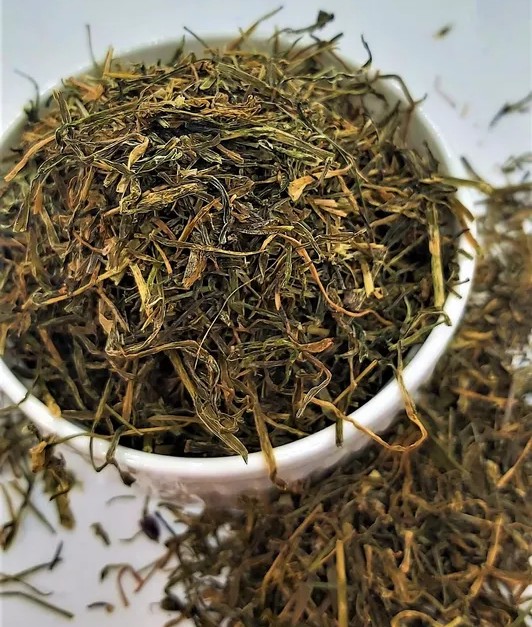
Jimbu is a dried Himalayan herb from the onion family, traditionally associated with the high-altitude regions of Nepal. Its aroma is often compared with onion, garlic or chives.
It is commonly fried briefly in hot ghee or oil to release its fragrance before being added to dal, vegetables, beans and pickles.
At Dé Buddha, ingredients such as Jimbu highlight the importance of traditional flavours. Although used in small quantities, it can add a distinctive character to a dish.
The Spices Behind Nepalese Cooking 🧑🏻🍳
Alongside Timur and Jimbu, everyday spices form an important part of the flavours enjoyed at Dé Buddha.
Some commonly used ingredients include:
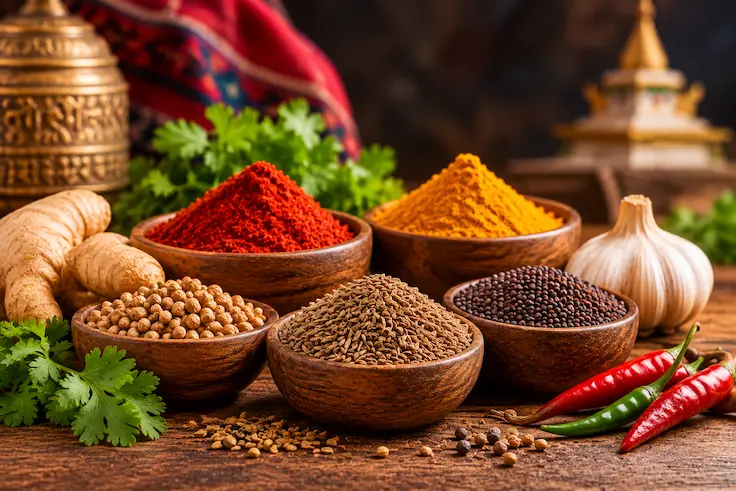
Cumin (Jeera): Adds a warm, earthy aroma to dishes.
Coriander (Dhaniya): Brings mild, warm and slightly citrus-like notes.
Turmeric (Besar): Adds earthy flavour and its familiar golden colour.
Fenugreek (Methi): Offers distinctive savoury and slightly bitter notes.
Mustard Seeds (Rai): Develop a rich aroma when heated and are often used in vegetables and pickles.
These spices are rarely about one flavour alone. Their combination helps build the depth and balance associated with Nepalese cuisine at Dé Buddha.
Ginger, Garlic and Chilli 🫚
Ginger, garlic and chillies add warmth, depth and flavour to many Nepalese dishes. At Dé Buddha, these ingredients are carefully balanced with spices to create flavourful dishes without relying simply on heat.
What Makes Nepalese Spices 🌶️ Special?
Nepalese cuisine has no single spice blend. Ingredients and techniques vary between regions and dishes, with spices toasted, ground or heated in oil or ghee to release their aromas.
At Dé Buddha, each ingredient plays a role, adding warmth, fragrance and depth to the dishes. These traditional techniques help create balanced flavours rather than simply adding heat.
It is this combination of ingredients, preparation and balance that makes Nepalese cuisine so distinctive.
Discover Nepalese Cuisine at Dé Buddha 📞
At Dé Buddha in Johnstone, we celebrate the flavours and traditions of Nepalese cuisine, from distinctive ingredients such as Timur and Jimbu to familiar spices such as cumin, coriander and turmeric.
Explore our menu to discover our dishes, or visit our contact page to find out more.